

There is a particular kind of vertigo that comes from standing at a height you spent your whole life trying to reach, looking down, and realizing the floor beneath you is glass.
America turns 250 this year. The Semiquincentennial. A word so large it barely fits in a sentence, which is fitting, because the occasion itself barely fits inside the moment it has arrived in. A quarter-millennium of constitutional democracy. Two hundred and fifty years of an experiment that was, for all its original sins and structural failures, genuinely unprecedented: a nation founded not on bloodline or conquest or divine appointment, but on a proposition. That government derives its legitimacy from the consent of the governed. That power is constrained by law. That the people, imperfect and fractious and perpetually arguing with each other, are the source and the limit of what any government may do.
This was the idea. It was worth celebrating at 100. Worth celebrating at 200. It is worth celebrating at 250.
Except that right now, in the year the party was supposed to begin, the people elected to lead it are busy dismantling the thing being celebrated.
 Damon Crew
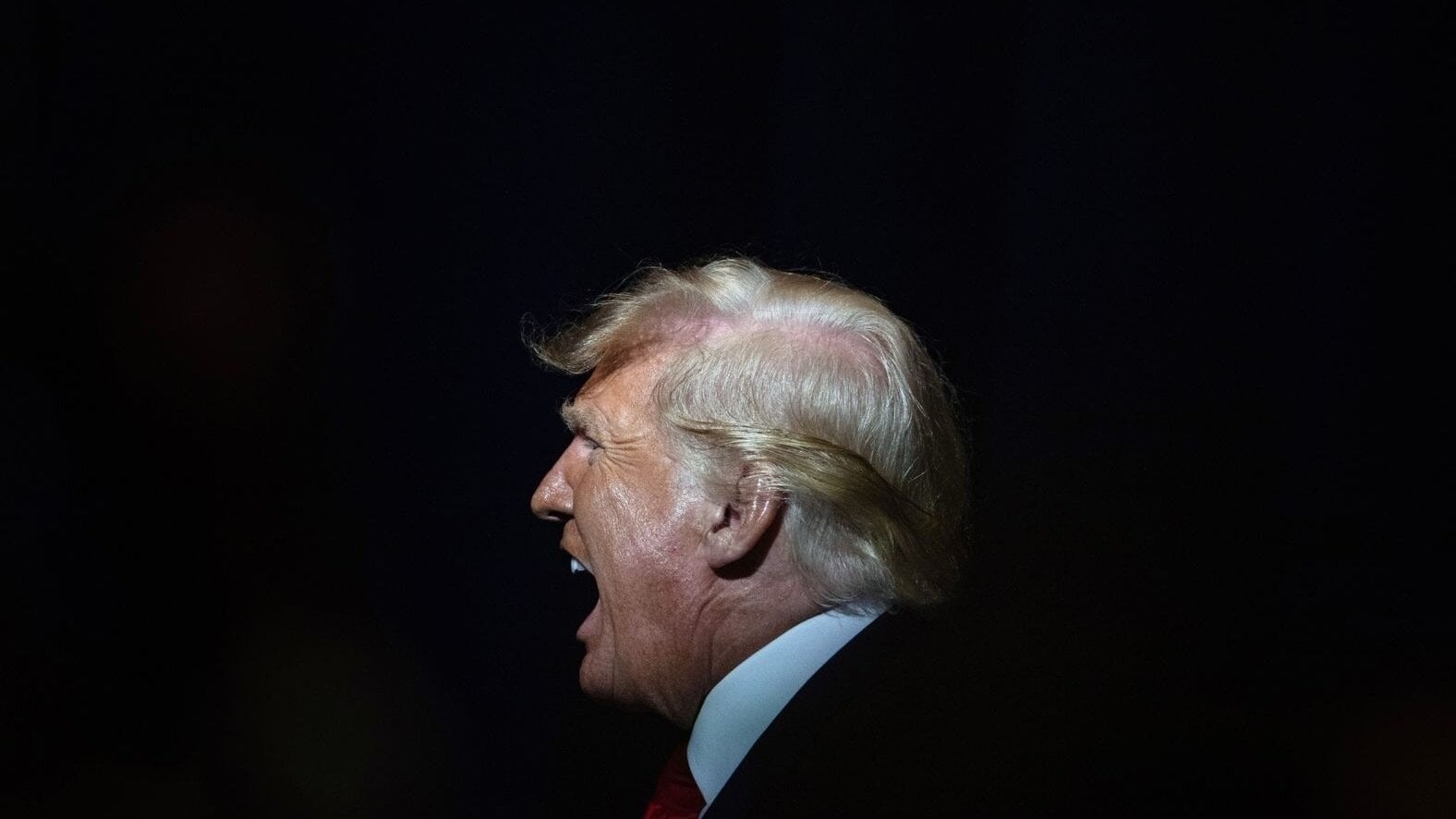
The Trump administration has, in the span of a single term's return to power, moved with a speed and a deliberateness that has no precedent in modern American governance. Federal agencies gutted by executive fiat. Inspectors general fired in bulk. The Justice Department redirected as an instrument of political loyalty rather than legal principle. Courts defied. Treaties abandoned. The press characterized not as an adversary to be debated but as an enemy to be destroyed. Civil servants with decades of institutional knowledge forced out, replaced by ideological proxies whose primary qualification is fealty to one man.
These are not partisan interpretations. They are documented events, occurring in sequence, with stated intent.
And so the anniversary arrives in this condition: a nation trying to hold a birthday party for democracy while watching democracy be systematically disassembled in the banquet hall.
The floor is glass. The view from here is extraordinary. And every step you take, you can feel it flex beneath your weight.
If you have felt, in recent months, that the celebration does not quite fit the moment, that the fireworks and the commemorative editions and the official ceremonies produce in you something closer to grief than to pride, you are not alone. You are not wrong. And you are not, despite what you may have been told, unpatriotic.
Polls have consistently shown that a majority of Americans believe democracy is in serious danger. A 2024 survey by the Pew Research Center found that more than half of U.S. adults say they are not confident the country's democratic system can handle the challenges it currently faces. That number has not improved. If anything, the events of the past year have calcified it. The feeling of wrongness that attaches to celebration in this moment is not a personal failure of civic feeling. It is information. It is the body politic registering, accurately, that something has gone wrong.
To feel the dissonance between what this year should mean and what it actually contains is not to have abandoned America. It is to have remained faithful to what America was supposed to be. The people who feel nothing, who celebrate without complication, who find the ceremonies adequate to the moment: they are not the guardians of the founding. They are its most dangerous spectators.
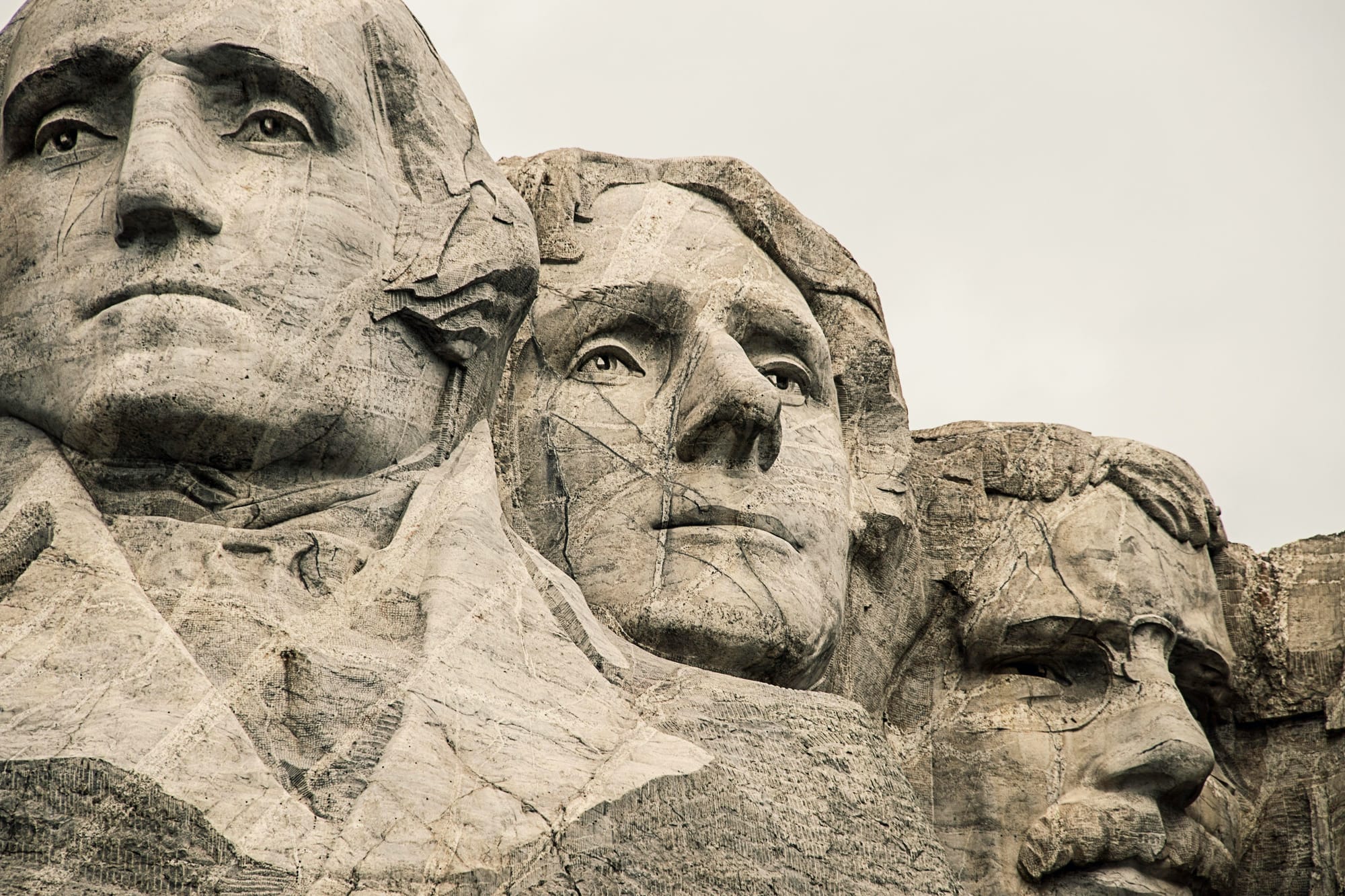
The founders knew this. Not because they were saints, they were not, but because they were students of history, and history had shown them what republics look like when they fall. They did not fall loudly. They fell through the accumulation of small concessions, through the normalization of executive excess, through the gradual substitution of one man’s will for the law. The Roman Republic did not end on a single afternoon. It ended amid years of institutional erosion, with senators still meeting, courts still nominally functioning, elections still being held, right up until the moment when the republic’s forms survived, and the republic itself did not.
James Madison, in Federalist No. 47, identified the concentration of all governmental power in a single branch or a single person as the very definition of tyranny. The definition. He used the word with intention.
The men who designed this system designed it in terror of this specific failure mode. They built in checks and balances not because they were optimists about human nature but because they were pessimists. They knew that power sought to expand. They knew that institutions, without constant tending, would decay. They knew that the price of republican government was permanent, uncomfortable vigilance.
That vigilance is uncomfortable precisely because it requires you to hold two things simultaneously: love for what the republic was meant to be, and clear-eyed recognition of what is being done to it. It does not permit the comfort of simple celebration. It does not permit the comfort of simple despair, either.
 A.D. Bevan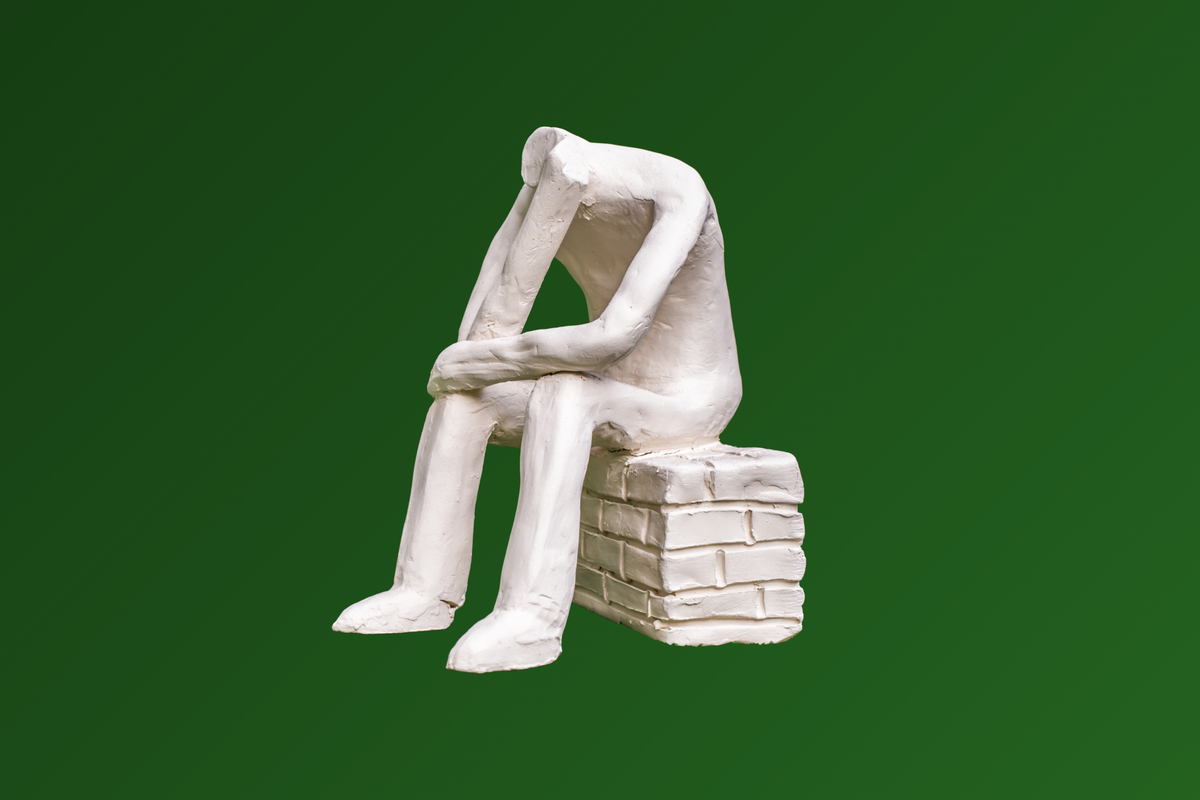
The glass floor analogy holds because it captures something specific about this moment. It is not that the building is on fire. It is not that the structure has already collapsed. The view from up here is still, in certain light, breathtaking. The air is thin and cold and the city spreads out below in all its complexity and there are moments, standing here, when you can almost forget what you are standing on.
But you cannot forget entirely. Because beneath the party, beneath the music and the toasts and the commemorative speeches, there is the faint and terrible sound of stress fractures forming. Not loud. Not dramatic. Just the quiet engineering language of a structure being asked to bear more than it was built to hold.
The question 250 asks is not whether America has been worth it. On balance, with full accounting, the answer to that is yes: imperfect, unfinished, frequently faithless to its own ideals, but yes. The question 250 asks is what kind of inheritors we intend to be. Whether we accept the floor's current condition as permanent. Whether we will point to the cracks or pretend they are part of the design.
Patriotism, properly understood, is not celebration. It is not the uncritical embrace of the country as it currently exists. It is fidelity to the country as it was meant to be, and honesty about the distance between the two. Frederick Douglass understood this in 1852, when he stood before an audience in Rochester and asked what the Fourth of July meant to the enslaved. He did not reject America. He held America to its own standard, and found it wanting, and in doing so performed the most rigorous act of patriotism available to him.
We are not in 1852. The particular forms of injustice are different. But the structure of the argument is the same: that the deepest love for a country is not the love that looks away, but the love that refuses to.
To feel grief at this milestone is to feel it correctly. To feel anger is to feel it correctly. To stand at the 250th anniversary of the American experiment and experience vertigo is not weakness. It is the appropriate response to the altitude.
The floor is glass. We are very high up. The view from here is still worth fighting for.
But first, you have to stop pretending you cannot hear the cracking.

 A.D. Bevan


